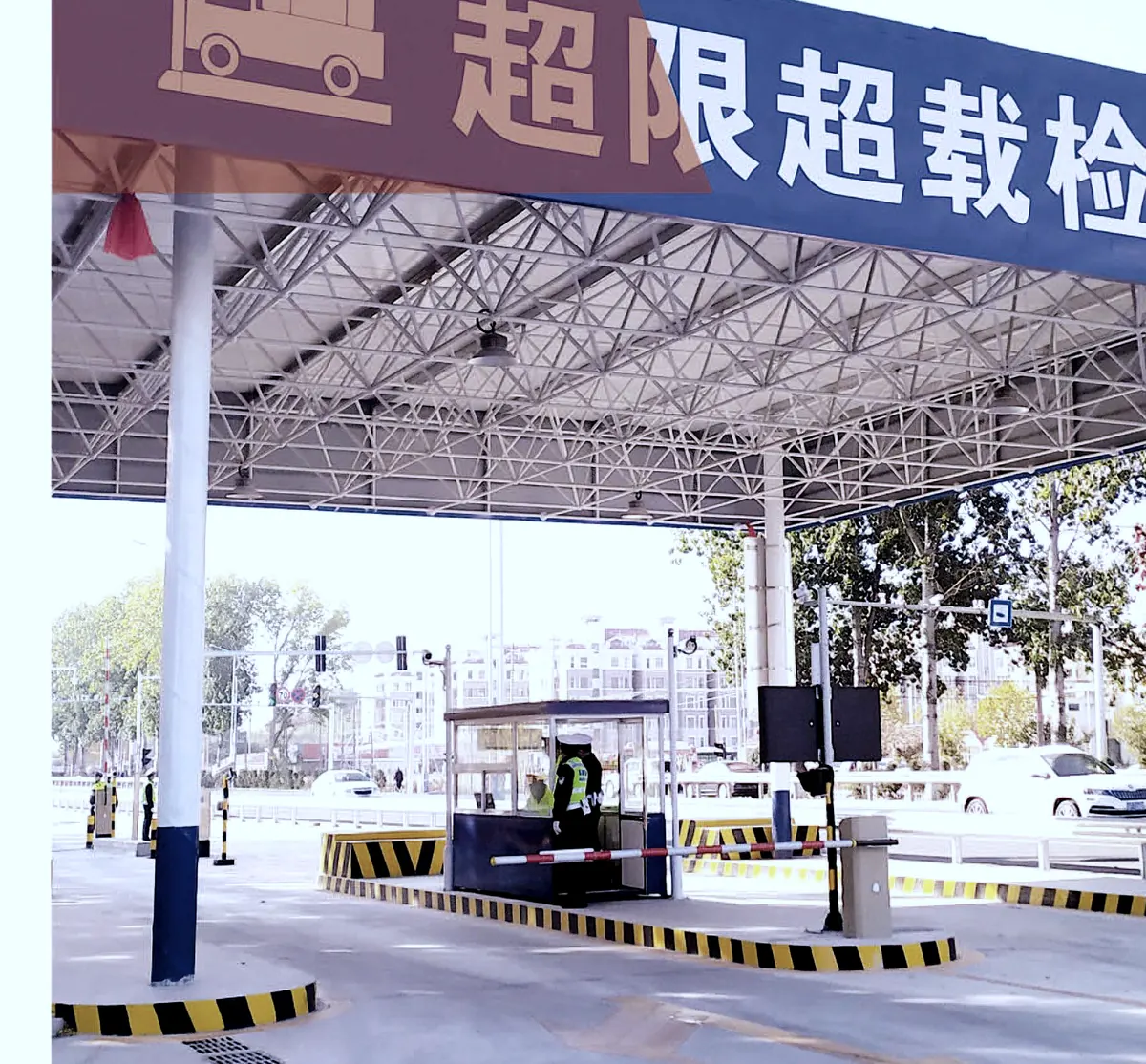
 FIG. 01 / STATION YARD
03 / APPLICATIONS
Where Weighing Has to Hold Up
The same deck behaves differently in mine dust, salt air and a toll plaza queue. We start from the site: what arrives, how fast, who has to see the number, and what happens when the network goes down. Four scenarios cover most of the work we quote.
01 / FOUR SITES, FOUR SETS OF CONSTRAINTS
Specify from the site backwards.
Capacity is the last question we ask, not the first. These are the conditions that actually decide the configuration.
Mining & quarries
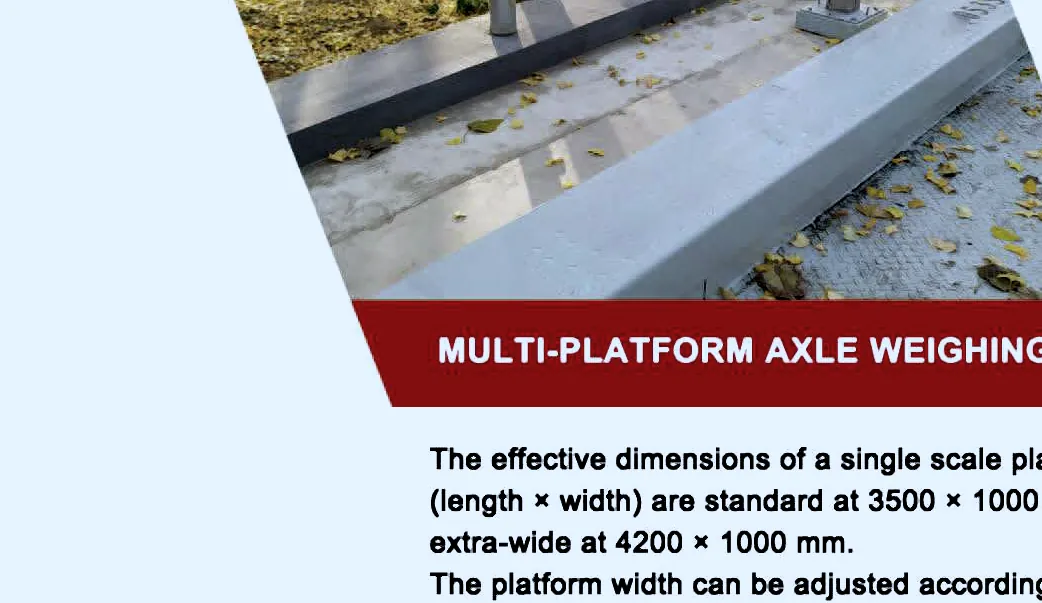
Haul roads are abrasive, loads are uneven and the weigh point often has to move as the face advances. A pit-free 58 mm plate suits that reality: it can be relocated, it tolerates dust and wash-down, and 150% overload headroom absorbs the occasional over-heavy axle. Where the pit is permanent, a welded U-steel deck with Sa2.5 blasting and a dry film of at least 120 µm holds up better against corrosion. The number that matters to a mine is not the brochure accuracy; it is whether the pit and the processing plant still reconcile at the end of a shift.
Ports & terminals
Gate queues are the cost centre. Weighing at 1–100 km/h with full-wheel load integration keeps traffic moving instead of building a stop-start line, and IP68 sealing matters where salt spray and wash-down are routine. For container and bulk operators the weight has to attach to a vehicle identity, so licence plate recognition and a data acquisition subsystem are usually part of the specification rather than an optional extra. Airport cargo areas follow the same pattern.
Logistics parks & toll gates
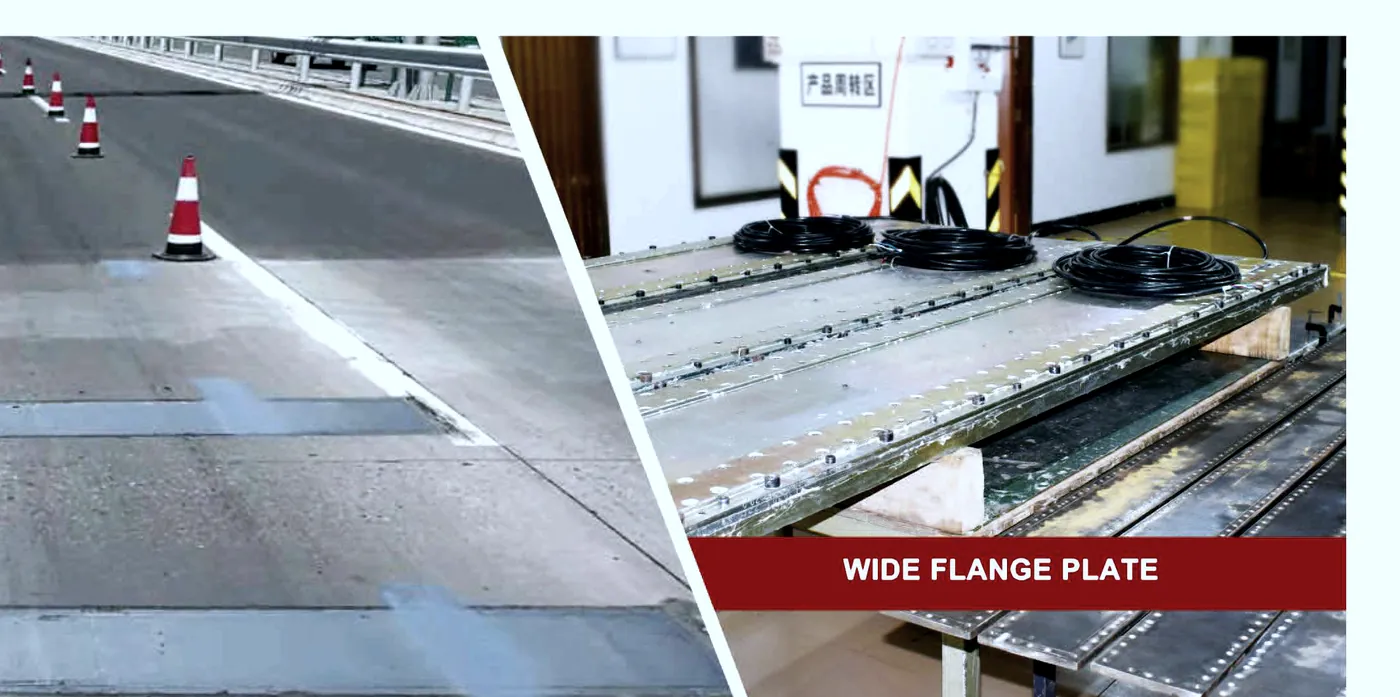
High cycle counts and mixed vehicle types. Fully welded closed-cavity decks at 20, 50 or 100 ton handle the volume, while ZDG multi-deck combinations cover different wheelbases on one lane. The indicator stack keeps 7×24 records, caches them through network outages and rolls multiple gates into a single management view, so a regional operator is not reading logs site by site.
Construction & highway works
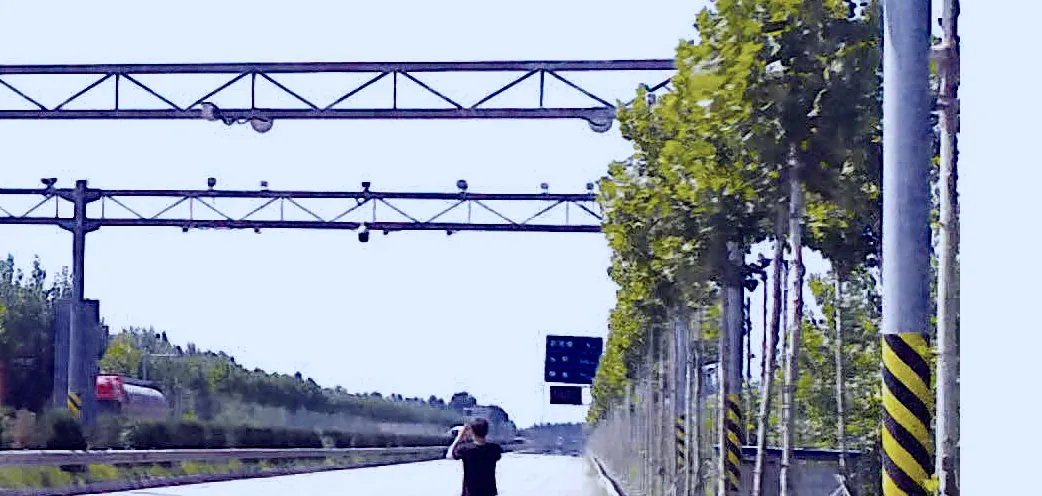
Temporary access roads and highway entrances change as the job progresses. Portable plates go in without a civil pit and come back out when the contract ends. For permanent overload enforcement stations the same plates pair with a gantry, an LED information board and the anti-cheating software that flags detours, rushing and dragging. Toll stations and highway entrances are the usual endpoints.
Read the enforcement deep-dive →02 / WHAT CHANGES BETWEEN SITES
The variables worth putting in the enquiry.
Send these with the request and the first quote will be a configuration, not a guess.
NEXT STEP / 01
Tell us what you need to weigh.
Send the axle loads, deck size and site conditions. We will come back with a factory quote, the trade terms and a delivery window you can plan around.