 FIG. 01 / FIELD HARDWARE
PRODUCT 03 / SENSORS
Wide-Flange Load Cell Plate for Dynamic Weighing
The sensor decides whether a weigh-in-motion lane produces evidence or arguments. Jiajia Forge wide-flange load cell plates pair a 58 mm sealed element with full-wheel load integration, so a vehicle that drifts, brakes or straddles the plate still returns a usable number.
01 / 58 MM CHANGES THE CIVIL WORKS
Thin enough to bury, strong enough to trust.
The 58 mm sensor thickness is the whole point of wide-flange construction.
INSTALLATION
Excavation comes off the schedule.
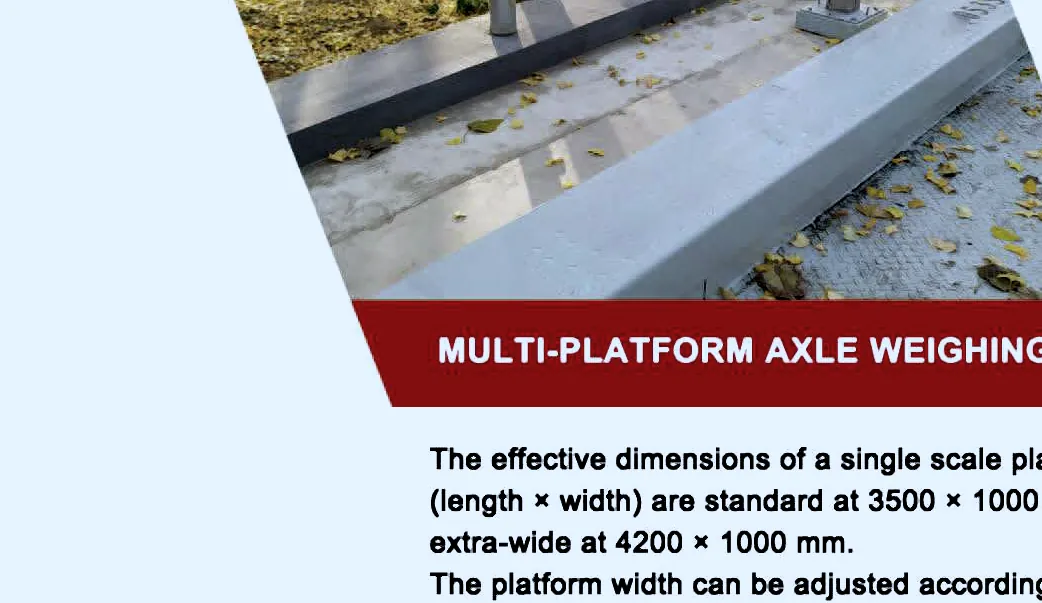
At 58 mm the plate can be direct-buried into a prepared surface with no civil foundation pit. That removes excavation, drainage and cure time from a weigh-in-motion project. For a distributor it turns a construction job into an equipment delivery; for an operator it means the lane is closed for hours rather than weeks.
The wide flange spreads the load into the surrounding surface, which keeps the shallow installation stable under repeated heavy axles rather than concentrating stress at the edge of the plate.
02 / FULL-WHEEL LOAD INTEGRATION
A textbook pass is the rare case.
Weigh-in-motion lanes see lane changes, edge-riding, late braking and hard acceleration. Measuring one contact patch turns all of that into error.

MEASUREMENT LOGIC
Sum the wheel path, not a single patch.
Full-wheel load integration measures the complete wheel path instead of one contact point, which suppresses the error that eccentric and irregular driving would otherwise put into the axle figure. The result is a stable reading at working speed, not one that only holds when the driver behaves perfectly.
IP68 protection keeps the element working through wash-downs, dust and standing water. A 150% overload rating gives headroom for an axle that arrives well above the declared limit and for the shock loading that comes with an uneven approach. Neither replaces correct installation, but both decide whether a sensor survives its first bad month.
03 / PART OF A LARGER SUBSYSTEM
A plate on its own produces a number.
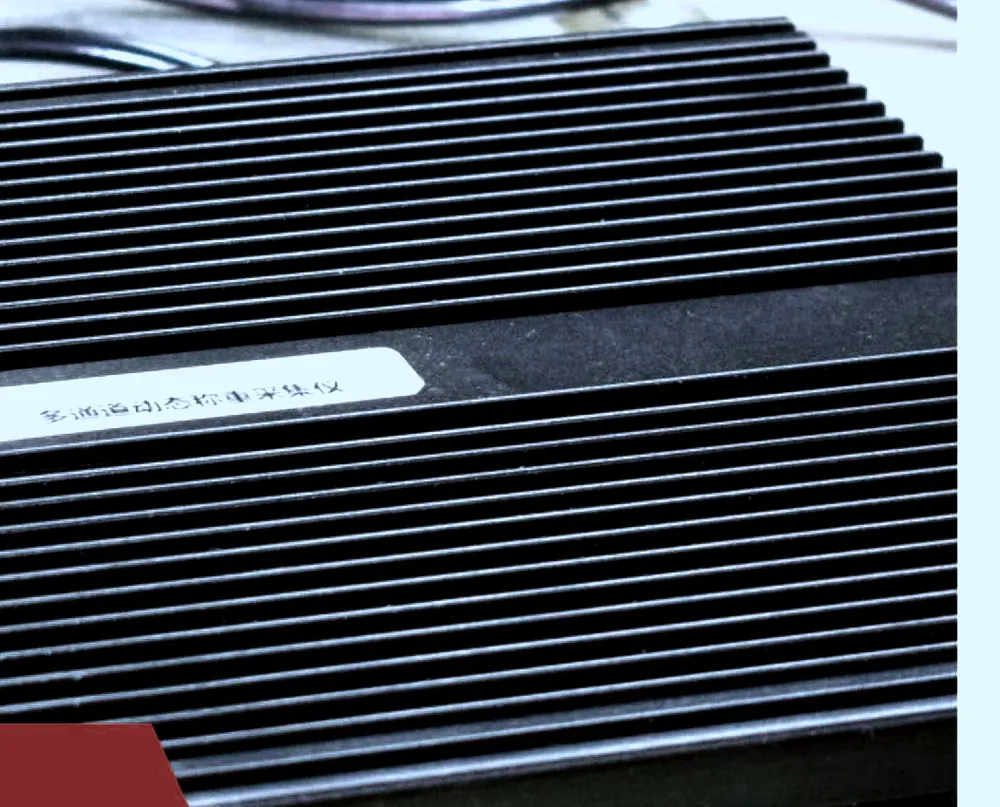
Paired with licence plate recognition, an LED information board and a data acquisition subsystem, it becomes an overload enforcement station with images, records and an operator view. The 58 mm element is specified, installed and calibrated as part of that chain, not sold as a loose component.
Specify the class
Class 1 for total weight and Class E for single axles follow the product manual classification. Send the wording your authority requires and we will confirm the fit before you commit.
Set the plate
Direct-buried into a prepared surface, levelled and tied into the acquisition subsystem.
Calibrate the chain
Plate, camera, board and logger verified together, because the record is only as good as the weakest link.
NEXT STEP / 01
Tell us what you need to weigh.
Send the axle loads, deck size and site conditions. We will come back with a factory quote, the trade terms and a delivery window you can plan around.