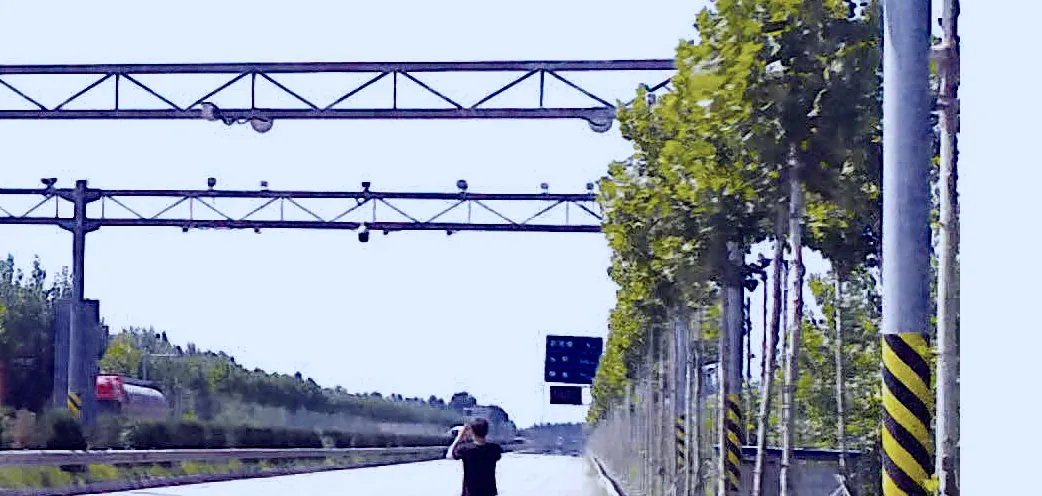
 FIG. 01 / GANTRY STATION
APPLICATION / OVERLOAD ENFORCEMENT
Weigh-in-Motion Overload Enforcement Stations
An enforcement station has to produce a figure that survives a dispute. Jiajia Forge builds the measuring chain from a 58 mm wide-flange plate through image capture, anti-cheating logic and local caching, so a limit-load decision rests on a complete record rather than a single sensor reading.
01 / WHAT AN ENFORCEMENT LANE HAS TO PROVE
A weight is not a case file.
An operator needs four things from one pass: the axle and gross figures, the identity of the vehicle, the image of the event, and a record that is still there when the case is reviewed weeks later. Designing around that chain is different from designing around a static weighbridge.
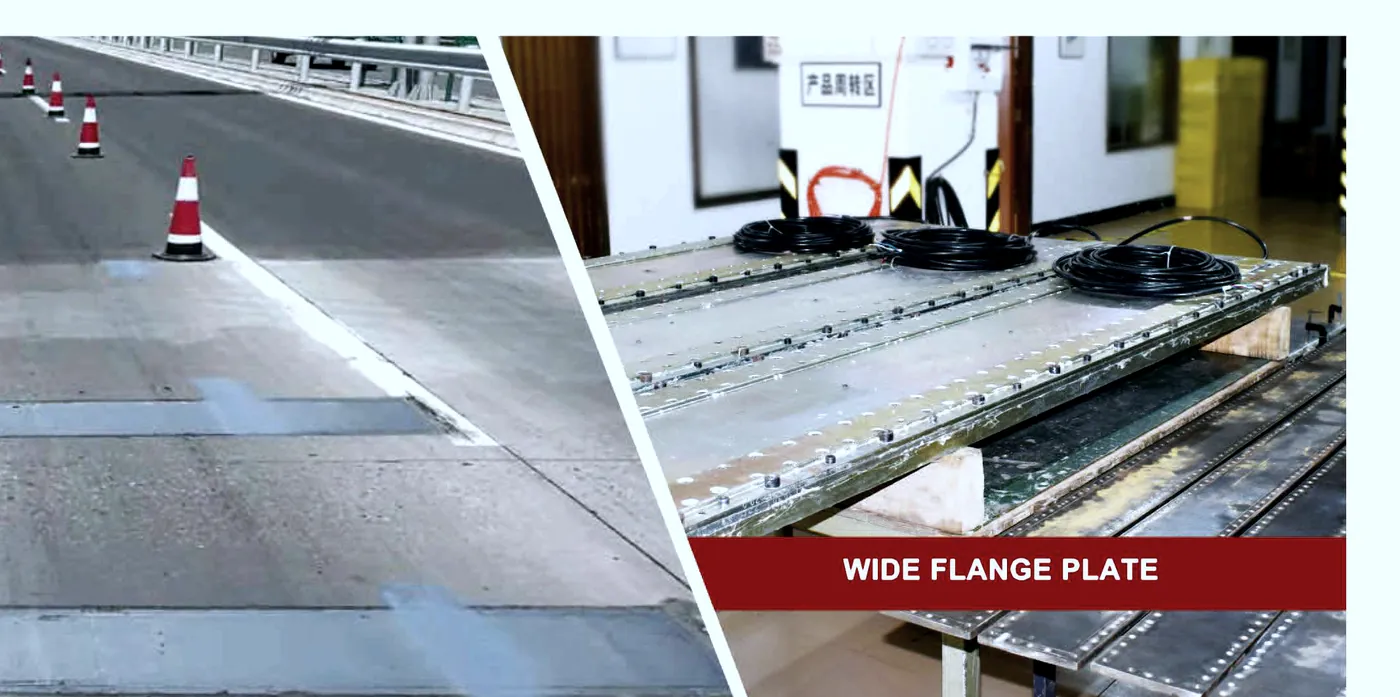
THE FOUR SUBSYSTEMS
One chain, one timestamp.
The wide-flange WIM plate produces the axle signals at 1–100 km/h with full-wheel load integration, so lane drift and late braking do not decide the result. Licence plate recognition attaches an identity to the pass. An LED information board gives the driver the over-speed or over-limit result in the lane. The data acquisition subsystem binds the whole event into one timestamped record.
The plate is 58 mm thick, sealed to IP68 and rated for 150% overload, so it can be direct-buried without a civil pit and still survive an axle that arrives well above the declared limit.
02 / THE SPECIFICATION BEHIND THE DECISION
Figures we will put in writing.
Accuracy class is the part most often misread in an enforcement tender, so we state it plainly.
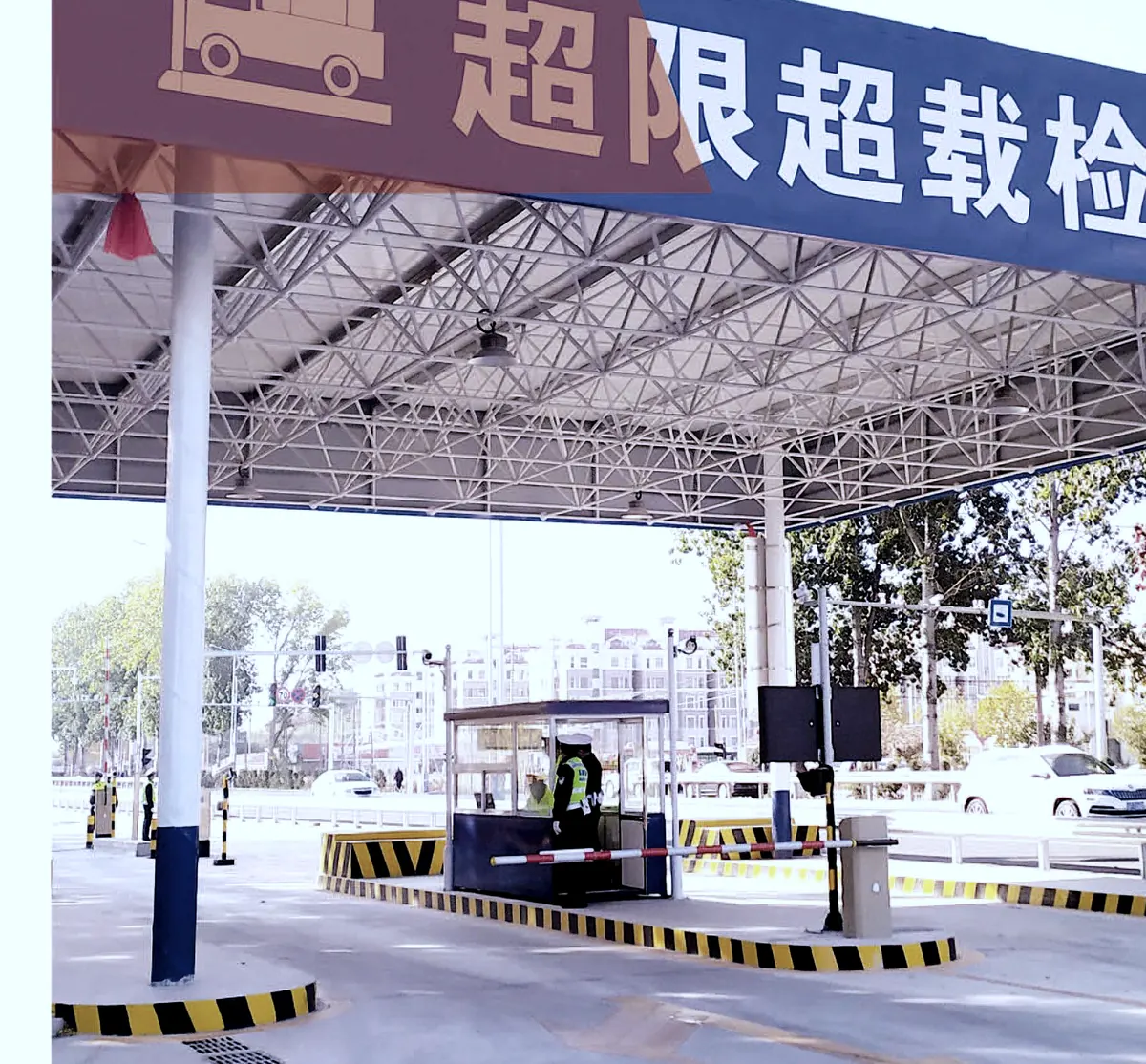
WHEN THE LINK DROPS
Records that survive the network.
An enforcement lane does not get to lose an afternoon because the connection failed. Events are cached locally and reconciled when the link returns, and multiple stations roll up into one central management view. Anti-cheating logic screens out the manoeuvres that distort a reading before a figure is accepted, and the linked image and video give the decision a visual basis.
We supply the subsystem and the installation guidance. The limit itself, and the class an authority requires, are set by the body running the station — send us the wording and we will confirm the fit before you specify.
03 / DEPLOYMENT
From a highway entrance to a network of stations.
Toll stations, highway entrances and dedicated overload stations are the usual starting points, with ports and airport cargo areas following the same pattern where vehicle identity matters.
Confirm the class
Send the accuracy wording your authority uses. We map it to Class 1 / Class E and confirm the configuration.
Build the lane
Plate, recognition, board and acquisition installed as one matched subsystem with our installation team.
Operate and review
7×24 unattended running, cached records and a central view across every station in the network.
NEXT STEP / 01
Tell us what you need to weigh.
Send the axle loads, deck size and site conditions. We will come back with a factory quote, the trade terms and a delivery window you can plan around.