A portable weighbridge looks simple on a enquiry form: "one portable scale, 100 ton, send price." That enquiry produces two answers a buyer does not want — a number pulled from thin air, or twenty questions. The honest position is the second one, because a portable weighing system is a set of decisions before it is a price. We do not publish headline figures on this site and this article contains no invented numbers; what it contains is the actual structure of a quotation, factor by factor, so that when you compare offers from any supplier you are comparing the same build. Six inputs decide what a portable weighbridge costs. Once you can name them, a quote stops being a mystery and starts being a bill of decisions.
Factor 1 — Format: ramp plates, axle pads or a buried lane
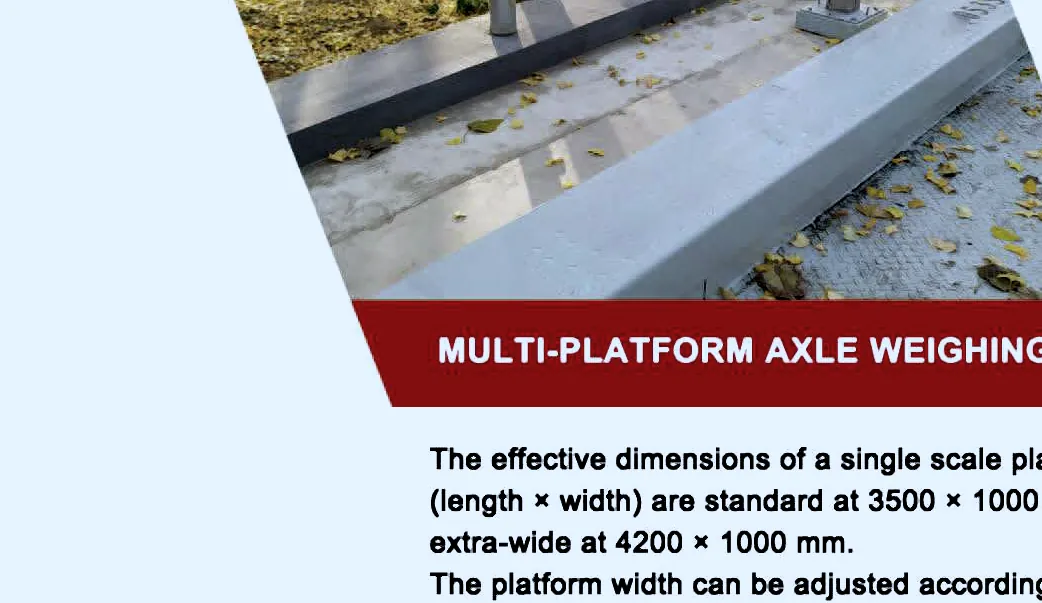
The first decision is what kind of portable system the site actually needs, because the formats are priced differently and they are not interchangeable. The familiar option is the axle-pad set: low-profile plates that a vehicle rolls onto wheel by wheel, weighed axle by axle, with a complete gross weight assembled from the axle passes. Our plate is 58 mm thick, thin enough to be set into a shallow prepared surface or surface-mounted and levelled, so the foundation pit — normally the largest civil cost in any weighing project — disappears. The specification detail lives on the portable truck weighing scale page.
At the other end sits a fixed welded deck: the U-steel platform described on the steel weighbridge deck page, which carries its own cost structure — a foundation, longer lead work and far higher cycle tolerance. Between the two sit configured middle grounds, such as a shallow-buried plate lane that stays in place but never needed concrete. Every price conversation starts here. If two quotations differ wildly and nobody can say which format they are for, the difference is not competition; it is an apples-to-tractors comparison.
Factor 2 — Axle load and capacity class
Portability is specified per axle, not per truck. The heaviest single axle your site expects, not the brochure gross vehicle weight, sets the plate class; the fleet's axle count then determines how many passes a full weigh takes and how the software assembles a gross figure. We work in 20, 50 and 100 ton nominal classes, and the right class follows the real load plus a margin for how trucks are actually loaded — never the other way round. Buying a class too small pushes every component toward its limit on every pass; buying far above your true traffic pays for steel and electronics you will never stress. The heaviest axle, the average axle and the axle spread across your vehicle mix are the three numbers to put in an enquiry. The FAQ covers how the capacity classes relate to axle loads if you are specifying from a fleet list.
Factor 3 — The indicator and the software, not just the steel
Two identical plate sets can carry different prices because of what sits behind them. The readout and acquisition unit is where the money hides. A basic indicator shows a weight and prints a ticket. A configured unit stores records, timestamps each pass, applies the full-wheel load integration that suppresses off-centre and irregular-driving error, and keeps working when the network drops — our stated dynamic figure is ±0.5% across 1–100 km/h, Class 1 for total weight and Class E for single axles, exactly as the product manual states it. Records, anti-cheating logic and export functions each add engineering that shows up in the quote line. Decide what the station must produce — a display, a printed ticket, a database, an export for a head office — before you read any price, because those requirements, not the steel, explain most of the spread between entry and configured builds. The indicator and software page sets out what each level includes.
Factor 4 — Accessories and the moving parts of mobility
"Portable" is a system property, and the system carries accessories. Ramps and levelling arrangement, cable routing and protection between plates, carry cases or racks for moving between sites, battery or solar options where there is no mains power at the weigh point, printer, external display for the driver, and spares for a site that cannot wait for an international shipment. None of these is mandatory; all of them are normal. A quotation that bundles them is not padded — it is simply a different, more complete answer than one that lists plates only. When comparing, tick the accessories off line by line; two quotes are comparable only when their accessory lists match.
Factor 5 — Freight term and destination
Where the equipment lands changes the number, because the trade term decides who pays for freight, insurance and clearance. We quote against EXW, FCA, FOB, CNF, CIF, DAP and DDP. Under EXW the goods are collected from our works and the buyer arranges everything onward; under DDP the delivery reaches a named destination with duty paid. A "cheap" quote built on EXW and a "pricey" quote built on CIF may well be the same build with the same margin — the difference is who books the ship. Read the term printed on every quotation before the total. Destination also matters practically: port-to-site road movement, permit requirements for overweight parcels and local handling are the buyer's side of the ledger under most terms, and they should be budgeted locally, not discovered at customs.
Factor 6 — Quantity, lead time and the commercial frame
Volume changes packaging, container planning and unit handling more than it changes the plate. A minimum order of one unit is completely normal for us — a single station is a standard order — but a distributor buying for several sites should say so up front, because planning six units as one shipment is a different freight exercise than six separate parcels. Typical lead time is around 60 days from a confirmed configuration, payment is by T/T, and the equipment comes from our own research, manufacturing, installation and maintenance teams in Yantai, Shandong, China; more than 10,000 units a year leave the workshop and the equipment is trusted in 70+ countries. Those are the figures we quote from. Anything a supplier cannot put in a manual stays out of the quotation — which is the discipline this article asks you to demand from everyone you buy from.
How to get a comparable number in one email
Take the six factors and write them as your enquiry and the exercise becomes fast. Format and site description (permanent shallow lane or genuinely mobile), heaviest axle and axle spread, indicator level and the records the station must keep, accessories list, destination port and preferred trade term, quantity. Every serious supplier can price that brief in one reply, and you can compare replies line by line because you defined the lines. A quotation that arrives without one of those six answered is guessing somewhere — find the gap before the deposit.
Send that information through the contact page and we will price the finished build — plates, indicator configuration, accessories, trade term named — in one document. If the answers reveal that a fixed welded deck is the honest answer for your site instead, the reply will say so, with the deck page attached.
One more thing you will not find here: a fake number. No invented price tags, no certification we cannot show, no customer names without consent. The configuration sets the price; the configuration belongs to you. Request a factory quote and hold every supplier to that standard.